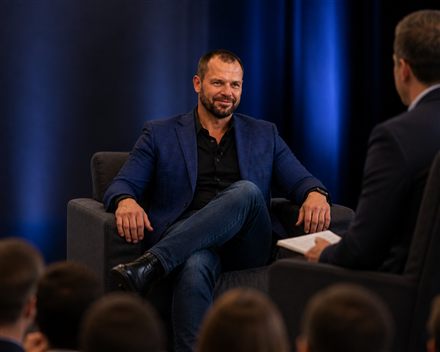
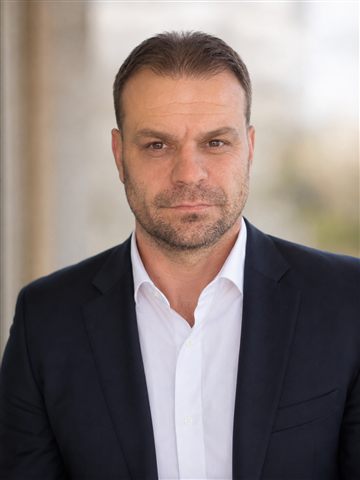
I was raised in the trades and started working construction in 2013. By 2017 I'd moved into managerial roles, and I've been there since, currently leading in a managerial capacity at a large construction company, seeing firsthand how the work actually gets managed day to day, not from the outside looking in.
AI expertise came the same way most of what I know did: hands-on, self-taught, deep personal study rather than a certificate on a wall. I use AI tools in my own managerial work, compressing the reporting and admin grind so more time goes toward the parts of the job that actually require judgment.
Most of the conversation about AI in construction stops at software: what tool speeds up scheduling, what app writes the daily report. That's real, but it's the easy story. The harder and more consequential question is what happens to leadership itself once that busywork clears out: how a leader communicates with their team, how much presence and trust they still have on the ground, how a team gets led once its shape starts changing.
That question doesn't get asked enough in an industry that's still mostly early in this curve. Vantage Ops exists to ask it on purpose, with companies willing to get ahead of it rather than wait for it to arrive by accident. What I'm actually building with a client isn't a tool rollout, it's their leadership architecture: the structure of communication, trust, and presence that either holds together or breaks down once AI changes what a leader's day looks like.